Automated license plate readers track millions of vehicles every day. Officers can search this data at any time. Here's what we found when we looked at their reasons.
Estimated vehicles tracked during your visit
Real reasons from public search audits
That's largest number of cameras used for a single search, found in public search audits.
One query can check over 100,000 camera feeds across multiple jurisdictions.
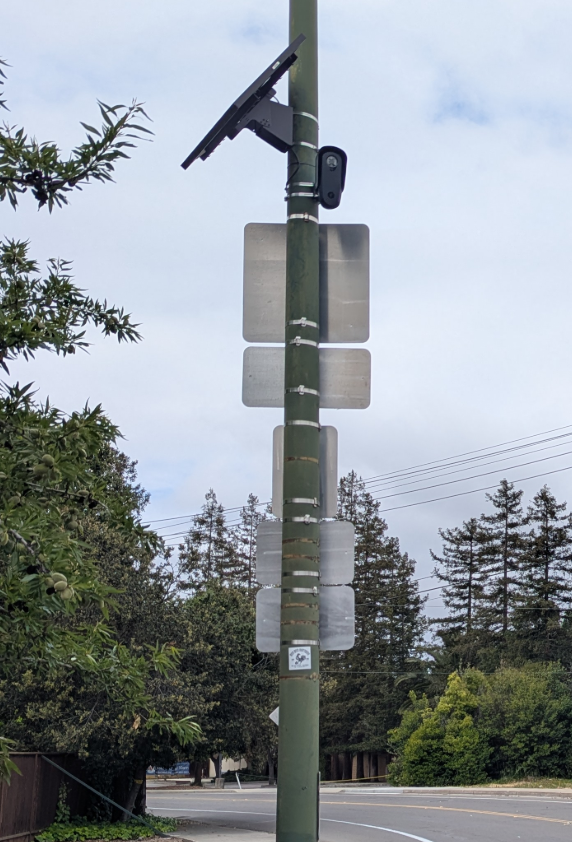
Solar-powered ALPR cameras that capture license plates and vehicle details 24/7. Records plates at up to 100 mph from 75 feet away, including make, model, color, and identifying features.
Audio surveillance detecting gunshots, glass breaking, and human voices. Now monitors for "distress sounds" and screaming in public spaces.
Standard cameras integrated with ALPR and audio systems. Automatically activated when sensors detect events.
Drone surveillance integrated into network for persistent tracking from above.
All devices connect via cellular networks to cloud storage, creating a unified surveillance platform where license plates, audio recordings, video footage, and drone imagery are linked together and searchable.
Search public records to see if your license plate has been tracked
Top reasons from 276 public search audits
While "Investigation" is common, variety of abbreviations and casual entries like "Daytime search for best result" show the inconsistent standards for justifying searches.
Top organizations that searches were shared with
Your location data isn't just staying with your local police—it's being shared across agencies and jurisdictions.
Only 786 departments have enabled transparency portals out of thousands using these systems.
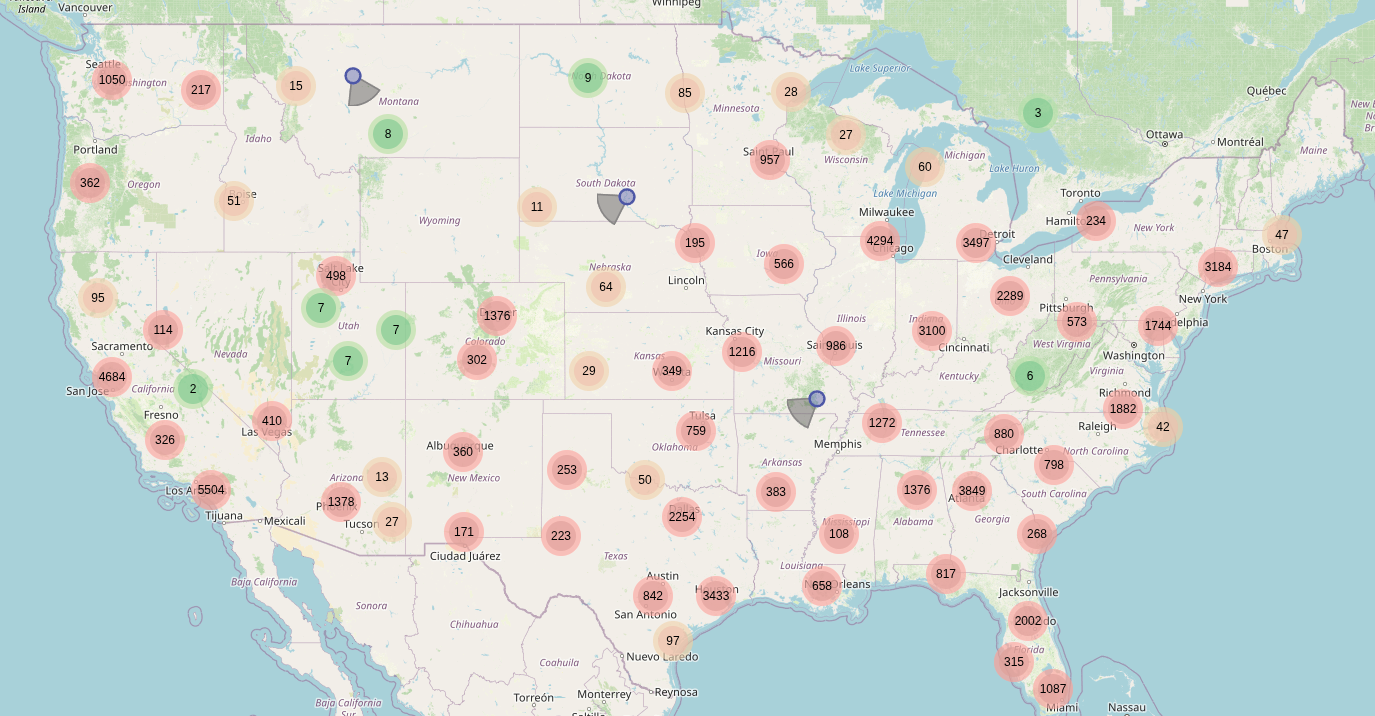
The full scope of automated license plate surveillance is far larger than what we can measure.
View and contribute to the crowdsourced map of ALPR camera locations
In December 2025, Flock Safety hired Cyble Inc., a "brand protection" company, to file false takedown notices against transparency websites.
The notices claimed "phishing" and trademark infringement—but identified no actual violations. No deceptive content. No credential harvesting. No impersonation.
What they were really targeting: public records of how law enforcement uses their surveillance network. Records released by government agencies through FOIA requests.
The same company that markets its systems as promoting "transparency" attempted to suppress journalism about how those systems are actually used. When hosting providers reviewed the complaints, they dismissed them as frivolous.
Surveillance companies don't want you to know how casually their systems are used. They don't want you to see search reasons like "donut" or "bored." They don't want you to question whether tracking 185 million vehicles serves public safety—or just normalizes constant monitoring.
This data comes from government records. It's public information. And attempts to suppress it show exactly why transparency matters.
The Fourth Amendment protects against unreasonable searches and seizures. Traditionally, tracking someone's movements required a warrant—because location data reveals intimate details of our lives.
ALPR systems create a permanent record of where you drive, who you visit, what you attend, and when you go there. No warrant required. No probable cause. No individualized suspicion. Just automatic, mass surveillance of everyone's movements.
When an officer can search your historical location data because they're "bored" or want a "donut," that's not targeted law enforcement—it's warrantless mass surveillance of kind the Fourth Amendment was designed to prevent.
Contact your local police department and ask if they use automated license plate readers.
Request that they enable public transparency portals so you can see how system is being used.
Ask your representatives about oversight policies and data retention limits.
Because somewhere in a database, your movements are being tracked. And reason might just be "donut".
Data sourced from public Flock Safety transparency portals.
Methodology and complete dataset available upon request.
Connect with researchers, journalists, and others working on ALPR transparency. Share leads, get updates, or just ask questions about how automated surveillance is spreading.
Join Our Discord